
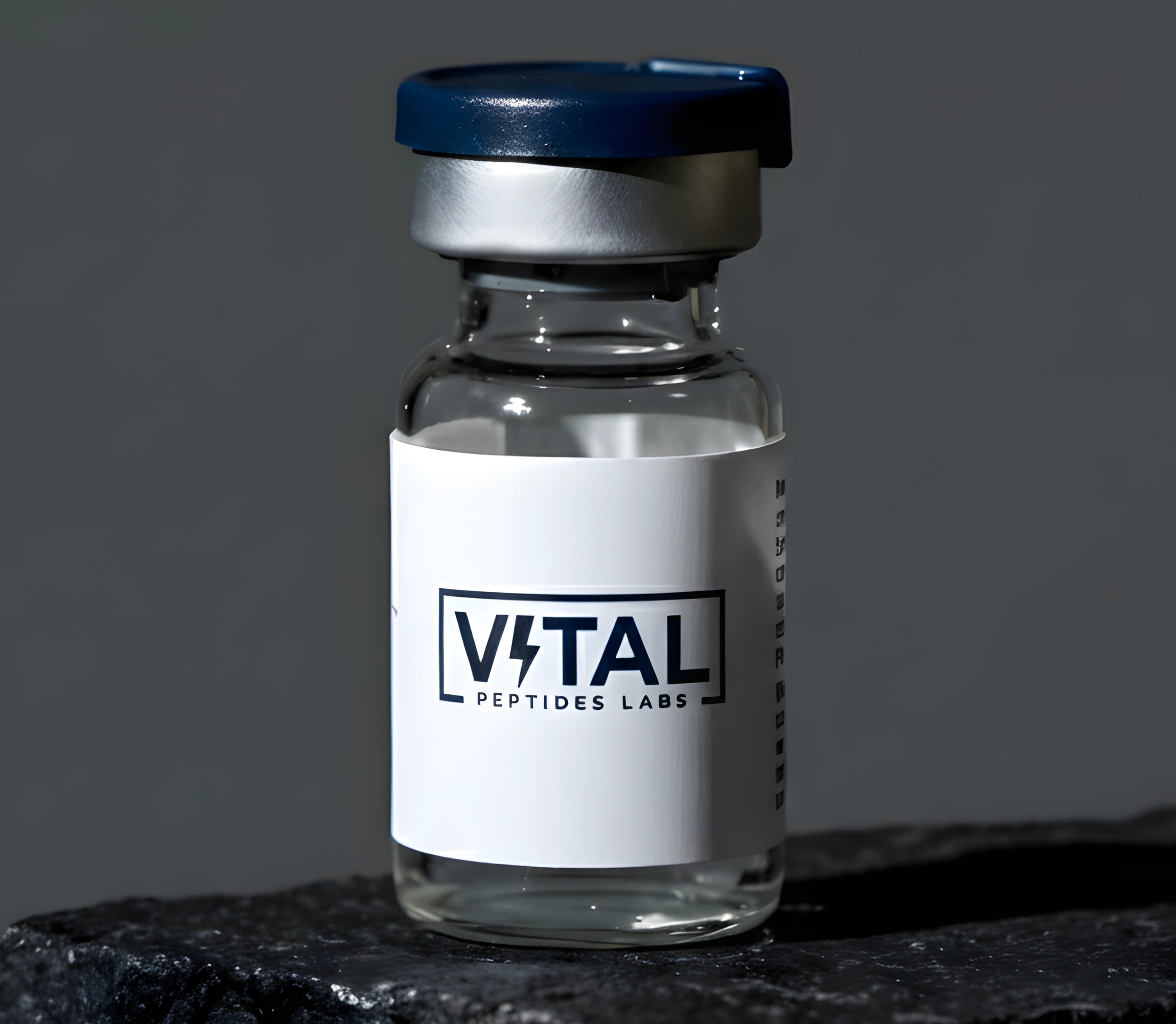
SS-31
Mitochondrial-targeting peptide
99%+ Pure$50
Product Description
SS-31 (Szeto-Schiller 31, also known as Elamipretide) is a small mitochondrial-targeted peptide (H-D-Arg-D-2',6'-dimethyltyrosine-L-Lys-D-Phe-NH2) that accumulates in the inner mitochondrial membrane. This specially designed peptide was engineered to optimize mitochondrial targeting and has been extensively researched for its effects on mitochondrial function and cellular bioenergetics.
Expert Insight
“SS-31 represents cutting-edge rational peptide design: engineered specifically to cross membranes and accumulate in mitochondria. Its mitochondrial targeting ability makes it uniquely valuable for investigating inner-membrane dynamics and cellular energy metabolism.”
Research Pairing Suggestions
Research Highlights
Rationally designed mitochondrial-targeting peptide
Accumulates in inner mitochondrial membrane
Research on cellular bioenergetics and mitochondrial function
This calculator is a math tool only. It does not provide medical advice. Vital Peptides Labs sells research peptides for laboratory and research use only. Users are strongly encouraged to read the linked research, consult qualified professionals, and draw their own conclusions before making any decisions.
Reconstitution Calculator— SS-31
Research Literature — SS-31 (Elamipretide)
The following is a summary of published research literature. This information is provided for educational reference only and does not constitute medical advice or research amount guidance.
Research Amounts in Literature
In published clinical trials, researchers administered Elamipretide at doses of 0.01–0.25 mg/kg IV and 4–40 mg subcutaneously per day. Common subcutaneous research doses are 20–40 mg.
Frequency Protocols in Research
Published literature on SS-31/Elamipretide reports once-daily subcutaneous administration protocols in clinical research, with single-dose and multi-week (28-day) study designs.
Reconstitution Concentrations in Research
Published literature reports reconstitution of 10 mg vials in 2 mL bacteriostatic water (5 mg/mL) and 50 mg vials in 3–5 mL (10–16.7 mg/mL). Higher water volumes reduce viscosity for the larger 50 mg vials.
Typical Syringe Ranges in Research
At 5 mg/mL (10 mg vial in 2 mL), a 20 mg dose requires 4 mL — split across multiple administration sites. At 10 mg/mL (50 mg vial in 5 mL), a 20 mg dose equals 200 units (2.0 mL).
SS-31
Add to your order
You'll Also Need
3mL / 23G Reconstitution Syringe
For mixing bacteriostatic water into lyophilized peptide vials
~$10–15
Buy on Amazon31G Research Syringe
For precise subcutaneous administration in research protocols
~$12–18
Buy on AmazonAlcohol Prep Pads
For sterilizing vial stoppers and work surfaces
~$5–8
Buy on AmazonBacteriostatic Water (10mL)
Sterile water with 0.9% benzyl alcohol for reconstitution
$10
ViewThis product is intended strictly for laboratory research and development purposes only. Not for human consumption, medical, veterinary, or household use. By purchasing this product, you confirm that you are at least 21 years of age and that the product will be used solely for legitimate research purposes.