
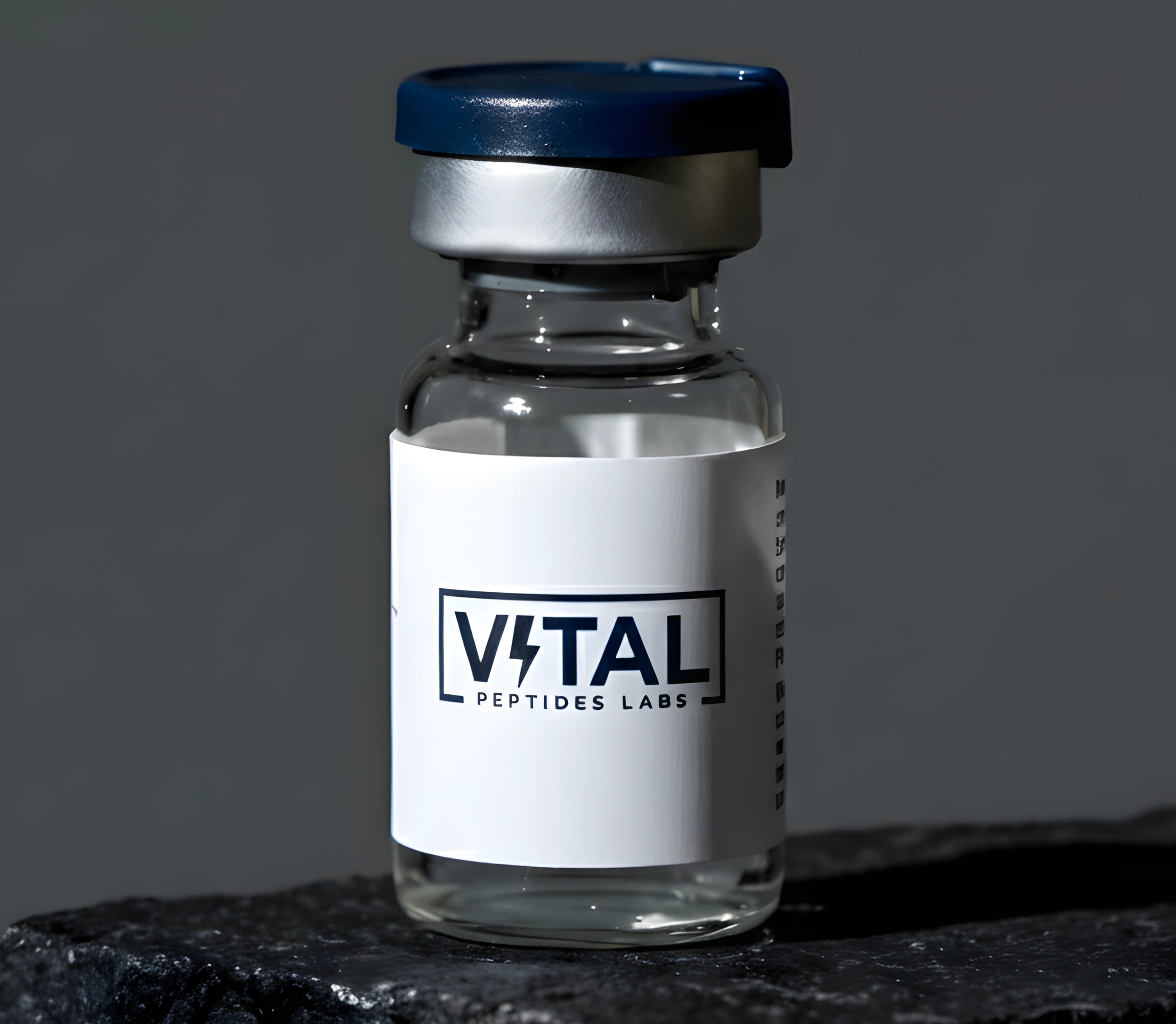
AOD-9604
Lipolytic peptide fragment · 5–8mg
99%+ Pure$70
Product Description
AOD-9604 is a modified fragment of human growth hormone, specifically the C-terminal 176-191 fragment modified with additional amino acids. This lipolytic peptide has been extensively researched for its effects on lipid metabolism and fat utilization without the growth-promoting effects associated with full-length hGH. AOD-9604 represents a targeted approach to metabolic research.
Expert Insight
“AOD-9604's unique structure—hGH fragment with metabolic specificity—makes it invaluable for researchers separating lipolytic effects from growth-promoting pathways. Its modified sequence provides metabolic targeting while avoiding the broad endocrine effects of intact growth hormone.”
Research Pairing Suggestions
AOD-9604's lipolytic activity is often paired with 5-Amino-1MQ's metabolic enhancement in research exploring synergistic effects on lipid metabolism and mitochondrial energy utilization.
These are commonly combined in metabolic research because Retatrutide's triple-agonist mechanism (GLP-1/GIP/glucagon) complements AOD-9604's targeted lipolytic activity for comprehensive metabolic investigation.
Research Highlights
Modified hGH fragment 176-191 with lipolytic research focus
Metabolic targeting without growth-promoting effects
Peer-reviewed research on lipid metabolism pathways
This calculator is a math tool only. It does not provide medical advice. Vital Peptides Labs sells research peptides for laboratory and research use only. Users are strongly encouraged to read the linked research, consult qualified professionals, and draw their own conclusions before making any decisions.
Reconstitution Calculator— AOD-9604
Research Literature — AOD-9604
The following is a summary of published research literature. This information is provided for educational reference only and does not constitute medical advice or research amount guidance.
Research Amounts in Literature
In published studies, researchers have administered AOD-9604 at oral doses of 1–50 mg and subcutaneous doses of 250–500 µg per day in clinical research settings.
Frequency Protocols in Research
Published literature on AOD-9604 reports once-daily subcutaneous administration protocols, typically administered in the morning on an empty stomach, over 12–24 week study periods.
Reconstitution Concentrations in Research
Published literature reports reconstitution of 5–8 mg vials in 2–3 mL bacteriostatic water, yielding concentrations of 1.7–4 mg/mL. Using 2 mL for a 5 mg vial (2.5 mg/mL) is the most commonly referenced standard.
Typical Syringe Ranges in Research
At 2.5 mg/mL, a 300 µg dose equals approximately 12 units (0.12 mL). Typical research administration volumes range from 10–20 units.
AOD-9604
Add to your order
Pairs Well With
You'll Also Need
3mL / 23G Reconstitution Syringe
For mixing bacteriostatic water into lyophilized peptide vials
~$10–15
Buy on Amazon31G Research Syringe
For precise subcutaneous administration in research protocols
~$12–18
Buy on AmazonAlcohol Prep Pads
For sterilizing vial stoppers and work surfaces
~$5–8
Buy on AmazonBacteriostatic Water (10mL)
Sterile water with 0.9% benzyl alcohol for reconstitution
$10
ViewThis product is intended strictly for laboratory research and development purposes only. Not for human consumption, medical, veterinary, or household use. By purchasing this product, you confirm that you are at least 21 years of age and that the product will be used solely for legitimate research purposes.